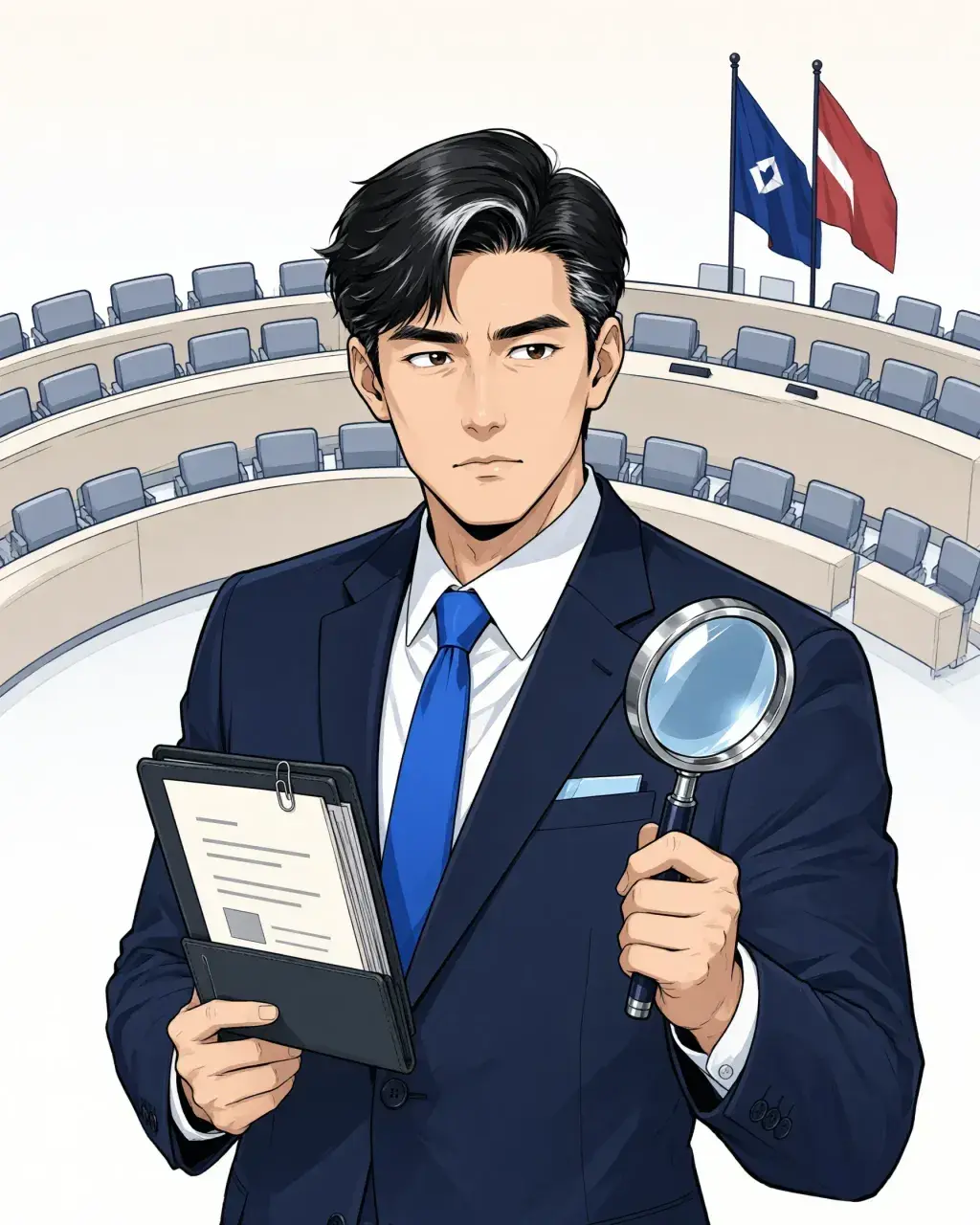
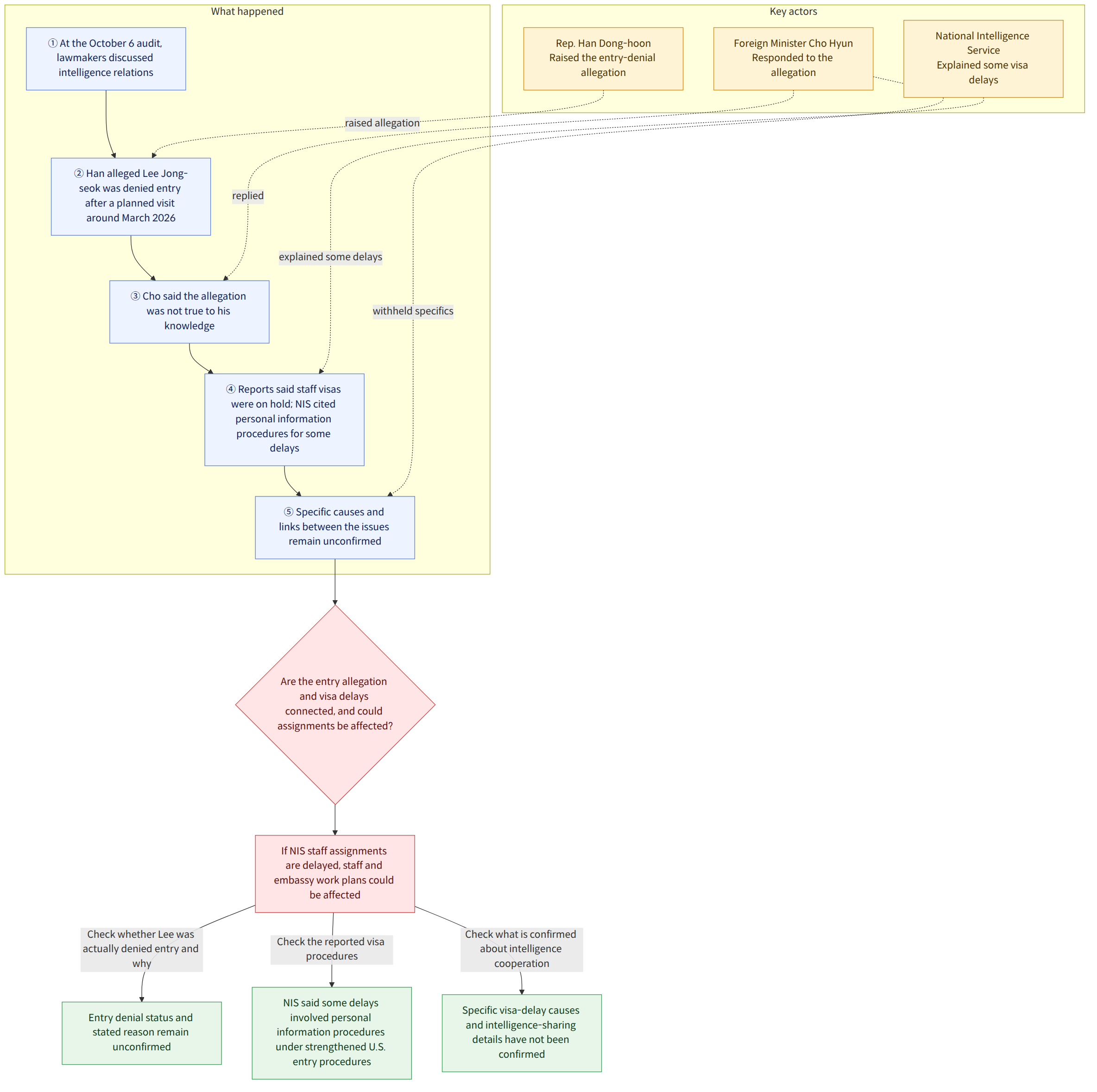
At the Ministry of Foreign Affairs (외교부) audit on October 6 by the National Assembly Foreign Affairs and Unification Committee (국회 외교통일위원회), lawmakers discussed both the allegation that National Intelligence Service (국가정보원) chief Lee Jong-seok had been denied entry to the United States and delays in visas for NIS staff assigned to the South Korean Embassy in Washington. Rep. Han Dong-hoon said he understood that Lee had tried to visit the United States around March 2026 but was denied entry because of, among other things, anti-American leanings, and asked whether that was true. Foreign Minister Cho Hyun replied, “Not to my knowledge,” and also said “absolutely not” in response to the claim that U.S. authorities had asked Lee’s side about his alleged anti-American leanings.
Cho added that he had been briefed on what the issues in the intelligence field were during a meeting between the U.S. and South Korean foreign ministers, but did not disclose specific details. Meanwhile, reports emerged that the U.S. government had put on hold the issuance of visas and approval of diplomatic status for NIS staff due to be assigned to the South Korean Embassy in Washington. The NIS said that some visa delays involved procedures related to personal information under strengthened U.S. entry procedures, and were unrelated to U.S.-South Korea intelligence cooperation.
The minister’s denial of the allegation that the NIS chief was denied entry pertains to what he knows. The cause of the staff visa delays and the specific details of the intelligence cooperation issue have not been independently confirmed.
Background and context
The two matters were raised during the same audit in the context of U.S.-South Korea intelligence relations, but the facts and the speakers’ statements need to be distinguished. The allegation that Lee was denied entry was raised by Han, and Cho replied that, to his knowledge, it was not true. On the evidence currently available, it is therefore not possible to conclude whether Lee was actually denied entry or what reason the United States gave.
There are also both media reports and the NIS’s explanation regarding the visa delays. While reports said the U.S. government had put on hold the issuance of visas and approval of diplomatic status, the NIS described some delays as procedures related to personal information and said they were unrelated to intelligence cooperation. Cho said the visa issue was a matter between intelligence authorities, in which the Foreign Ministry was not involved.
The article also reported other issues related to U.S.-South Korea intelligence relations. These included a report that the U.S. government believed a former Coupang employee accused of leaking personal information had been contacted in China and had a laptop retrieved at the NIS’s direction, and a report that the United States was restricting intelligence sharing with the South Korean government on North Korea after taking issue with Unification Minister Chung Dong-young’s disclosure of the location of a North Korean uranium enrichment facility. Cho also said he could not say what the issues in the intelligence field were.
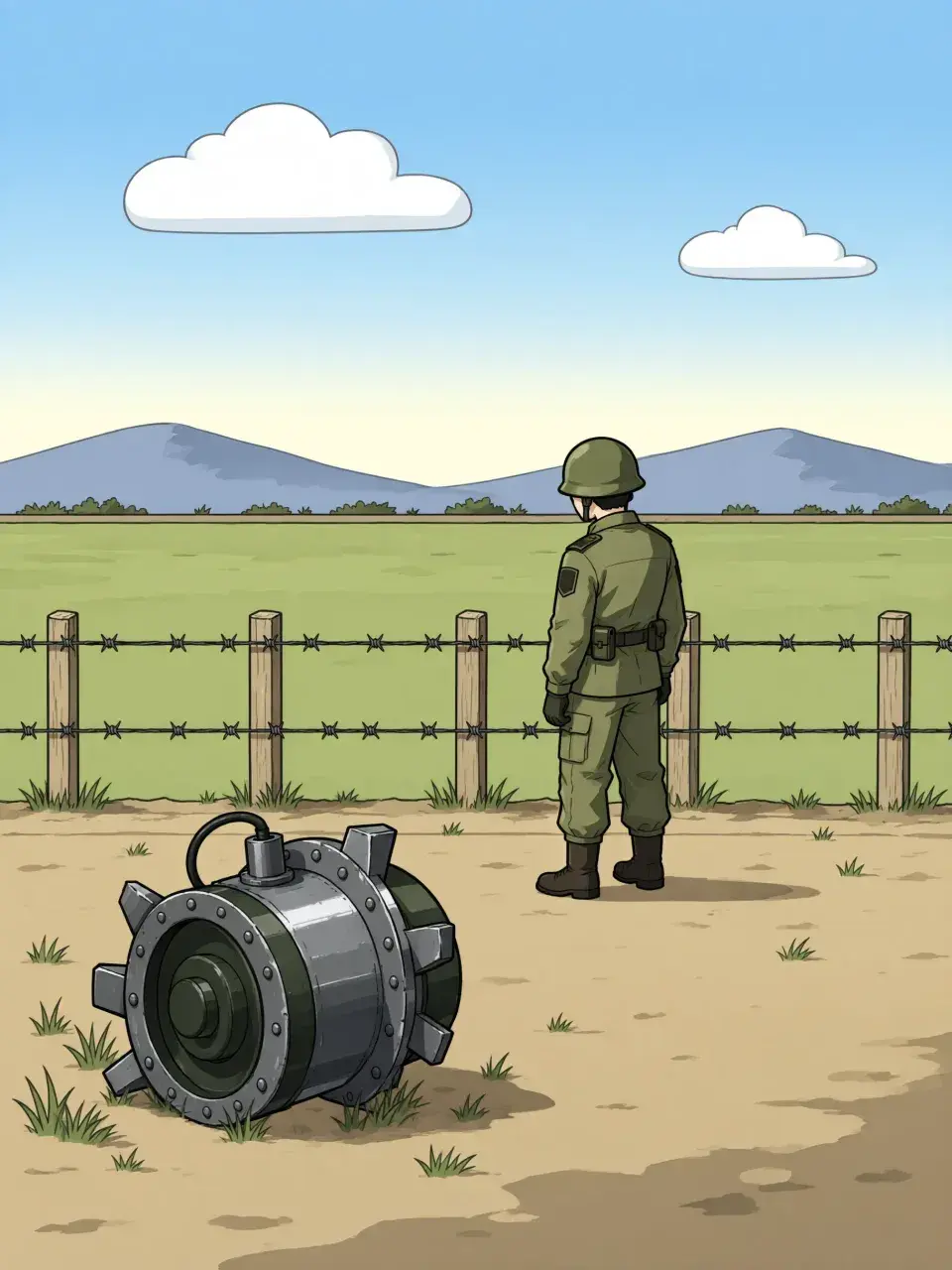
The audit also addressed matters beyond U.S.-South Korea intelligence issues, including the response to North Korean troops planting land mines in the Demilitarized Zone and the public disclosure of Ukraine’s plans to repatriate North Korean prisoners of war. Cho said the response to the land mines would be determined after discussions by the National Security Council (국가안전보장회의), and that the Foreign Ministry was considering steps at the United Nations Security Council (유엔 안전보장이사회), including pursuing a president’s statement or a resolution and sending a letter. Several foreign policy issues were discussed at the same audit, but no evidence was presented that these matters caused the NIS visa issue.
What this news means
An important point for readers is that the “allegation of denial of entry” and the “staff visa delays” may be separate matters. The former is a claim by a lawmaker about the NIS chief’s personal visit to the United States; the latter concerns reports about visas and approval of diplomatic status for staff assigned overseas. The two matters can be considered in relation to the possibility of tensions in U.S.-South Korea intelligence relations, but the information made public so far does not establish that they share a cause or are directly connected.
If the assignment of NIS staff is in fact delayed, it could affect the staff members and the embassy’s work plans. However, no information has been provided about which staff members’ procedures were delayed, by how long, or what changes to their work resulted. For example, if an employee awaiting a visa is due to be assigned overseas, their departure or assignment schedule could be affected, but the material available does not establish that this actually happened.
Government-to-government intelligence sharing may involve many details that are not made public. The fact that the minister did not disclose the specific issue should not, by itself, be taken as proof of deteriorating relations or the reason for a particular measure. Conversely, the NIS’s statement that the matter was unrelated to intelligence cooperation does not resolve every question. Going forward, it will be important to distinguish whether the reasons for the visa delays are officially explained, what position the government takes on reports of restrictions on intelligence sharing, and whether the parties’ explanations are consistent with one another.
What is confirmed and what remains unknown
Confirmed
- The National Assembly Foreign Affairs and Unification Committee held an audit on October 6 covering the Ministry of Foreign Affairs and other bodies.
- Rep. Han Dong-hoon raised an allegation that NIS chief Lee Jong-seok had been denied entry to the United States around March 2026, and Minister Cho Hyun replied, “Not to my knowledge.”
- Cho said he had been briefed on an issue in the intelligence field but could not disclose specific details.
- Reports said the U.S. government had put on hold the issuance of visas and approval of diplomatic status for NIS staff, and the NIS described some delays as procedural matters related to personal information.
- Cho said the response to the land mines would be discussed by the National Security Council and that measures at the United Nations Security Council were also under consideration.
What remains unknown
- Whether NIS chief Lee Jong-seok was actually denied entry to the United States, and the specific circumstances.
- The specific reasons the U.S. government put on hold the issuance of visas and approval of diplomatic status for NIS staff.
- The specific intelligence issue Cho referred to and the facts behind reports of restrictions on intelligence sharing about North Korea.
- Whether the allegation about the NIS chief’s entry, the staff visa delays, and the intelligence-sharing issue are directly connected.
What readers should watch for
- In any follow-up explanations, readers should look for confirmation of whether Lee himself planned to visit the United States and what happened during the entry process.
- Regarding the visa delays, readers can distinguish whether the NIS’s explanation that they involved procedures related to personal information and the U.S. government’s reasons for putting the applications on hold are each made public.
- Regarding reports of restrictions on intelligence sharing about North Korea, readers should watch for whether the government officially explains whether sharing has been restricted and to what extent, and whether the intelligence issue mentioned by Cho is made public.
References
- Other coverage consulted: koreatimes.co.kr
- Other coverage consulted: koreatimes.co.kr