The office is back in Korean entertainment
Even lottery winners go to work. So do interns. That familiar routine is becoming a fresh source of stories in Korean entertainment, where several 2026 productions are returning to the workplace as a central setting.
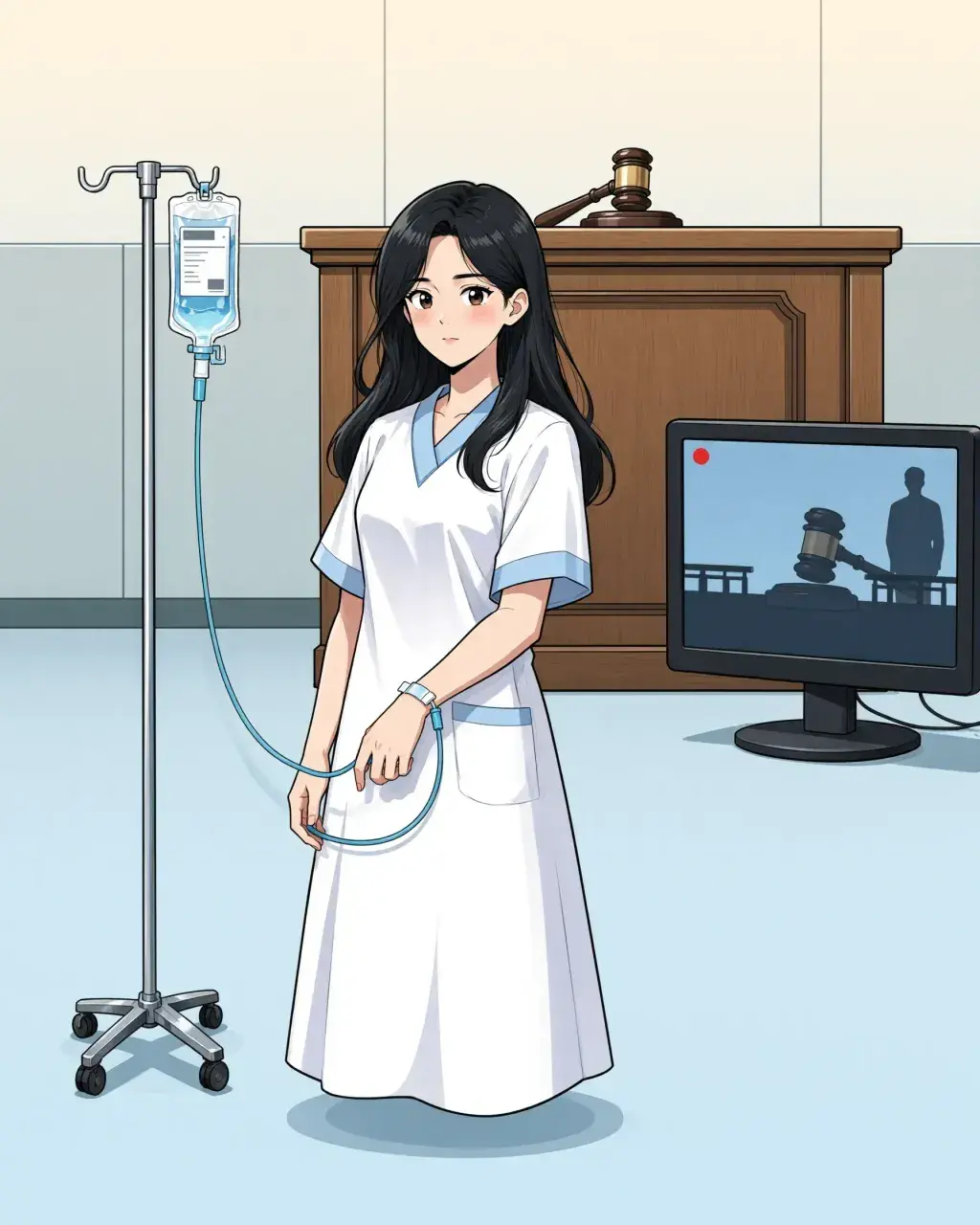
The new wave includes TVING’s original series Even Lottery Winners Go to Work, the film The Intern, and Season 3 of Coupang Play’s Office Workers. Their titles and formats differ, but all three place working life at the center of the story.
The office is returning to K-content, but today’s productions are using it in new ways: as a setting for fantasy, comedy and changing ideas about work.
From a place to escape to a place for stories
For years, office dramas often presented the workplace as something people wanted to get away from. Stories returned to familiar pressures: demanding bosses, office politics, punishing workloads, competition among colleagues and the effort to keep a job.
These conflicts gave workplace dramas their emotional force. Viewers could recognize the strain of a difficult manager or the unease of trying to fit into a company. The acclaimed series Misaeng remains a notable example of this tradition and continues to be discussed years after its release.
The workplace in such stories was more than a backdrop. It was a system with its own rules, hierarchies and risks. A promotion, a mistake or a tense conversation with a supervisor could shape a character’s future, much as those events can affect people in real life.
Why realistic office stories resonated
Workplace dramas offered a way to examine ordinary pressures that are not always visible from the outside. A long day at work might involve not only assigned tasks but also unwritten expectations: how to speak to a senior colleague, when to disagree or whether to stay late when others are still at their desks.
That realism helped audiences connect personal experiences to broader issues, including job insecurity and unequal power at work. For many viewers, the office on screen felt recognizable precisely because it was not always glamorous.
What is different about the 2026 wave?
The latest productions are not simply repeating the formula of the conventional office drama. Instead, they are combining the familiar workplace setting with other storytelling styles and perspectives. The reported mix includes fantasy, generational change and comedy.
Fantasy can make an ordinary workplace feel unexpected. It allows creators to place an unusual premise inside a setting audiences already understand, such as a desk, a staff meeting or a daily commute. Comedy, meanwhile, can turn everyday workplace habits and misunderstandings into the source of a story rather than focusing only on hardship.
Generational change offers another point of view. People who entered the workforce under different conditions may have different expectations about authority, work-life balance and what makes a job worthwhile. Bringing those perspectives into the same office can create conflict, but also humor and opportunities for characters to understand one another.
- A familiar setting: Offices are easy for viewers to recognize, even when a story includes an extraordinary premise.
- More than workplace realism: Fantasy and comedy can broaden the kinds of stories told in an office.
- New perspectives: Generational differences can shape how characters respond to hierarchy, ambition and everyday routines.
The stories behind the returning workplace
The titles highlighted for 2026 approach the workplace through different formats: a TVING series, a film and a third season of an existing Coupang Play series. The available details establish their shared setting, but do not describe each plot in depth. What connects them is the choice to bring work back into the foreground at a moment when creators are exploring new ways to portray it.
The title Even Lottery Winners Go to Work captures a playful tension: a major change in someone’s fortune does not necessarily erase the routines of employment. The Intern points toward the experience of entering a workplace, while Office Workers directly signals an ensemble built around working life. These titles suggest different entry points into the office, without requiring every story to treat it as a source of misery.
An adaptable setting
An office can contain many kinds of stories because it brings people with different goals together under shared rules. A character might be chasing a promotion, learning an unfamiliar job, navigating a team or simply trying to get through the day. That structure can support serious drama, light comedy or an imaginative twist.
It also makes the workplace useful as a social meeting point. Colleagues who might not choose one another as friends still have to cooperate, negotiate and respond to the same decisions. The resulting interactions can reveal personality and power dynamics without requiring a story to leave the office.
Why revisit the office now?
The renewed interest is best understood not as a simple revival of office dramas, but as a change in how the workplace is used. Earlier stories often emphasized the hardships of working life and the desire to survive within a demanding system. The newer examples described for 2026 keep the office setting while bringing in different tones and themes.
That shift gives creators room to reflect on work without telling the same story every time. An office can still be a place of pressure, but it can also become a stage for absurd situations, unexpected changes or clashes between people with different assumptions about their careers.
The key change is not just that the office has returned. It is that the office can now serve several storytelling purposes at once: a realistic workplace, a comic environment or the starting point for a fantastical premise.
What viewers may see next
The three productions point to a broader creative opportunity: workplace stories can remain recognizable while changing their genre and point of view. That flexibility may help the office appeal to audiences who want more than a realistic account of workplace stress, while still giving the stories a setting rooted in everyday life.
The challenge will be balancing novelty with authenticity. Fantasy and comedy can make a workplace story feel fresh, but its characters still need believable reasons to care about their jobs and one another. When that balance works, a routine setting can support stories about ambition, belonging, generational differences and the meaning of work.
For now, the 2026 slate signals a return with a difference. Korean entertainment is heading back to the office, not necessarily to recreate the old image of work as a struggle to escape, but to discover how many kinds of stories can unfold there.