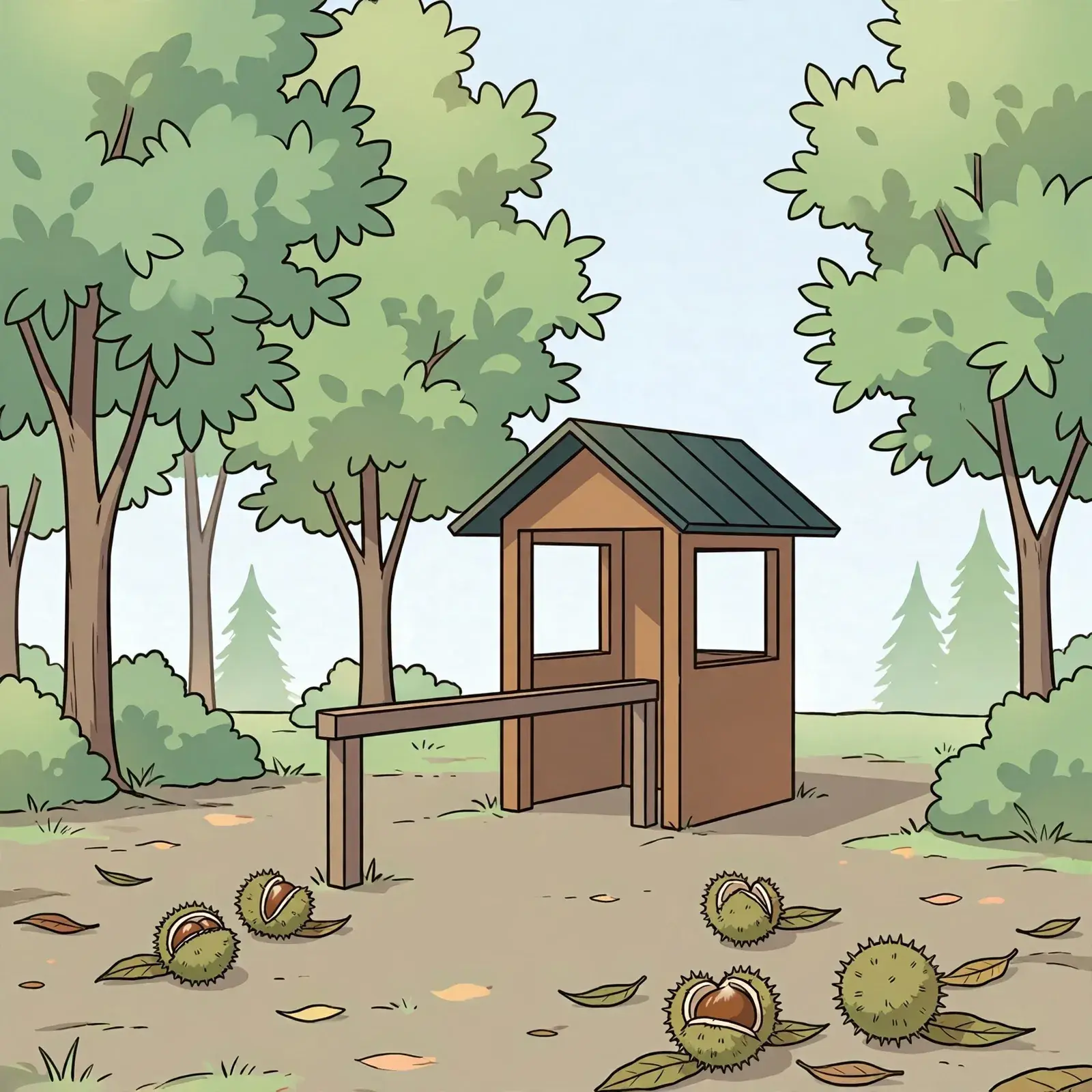
A forest getaway begins with a security check
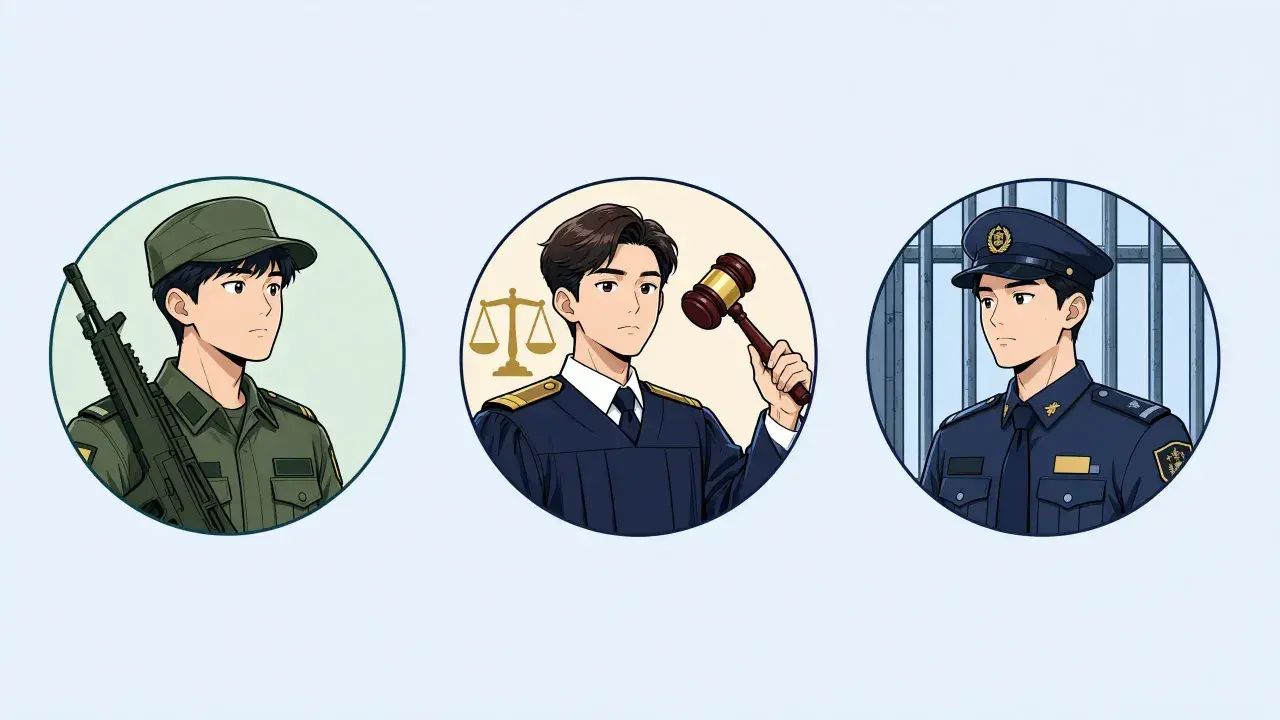
“Please prepare for a brief security check.” The announcement sounds more like the start of a military procedure than a holiday, and the scene inside the bus reinforces that impression. As the doors open, a soldier in combat gear steps aboard and collects the identification cards of the roughly 10 passengers.
The soldier appears to be in his early 20s. Even so, the checkpoint can make the journey feel tense for a moment, as if the group has entered a place with rules very different from those of an ordinary tourist destination.
After checking the passengers, the soldier leaves with their identification cards. The guide reassures the group that the cards will be returned on the way back, and the mood begins to relax.
The travelers are not heading into the area for a security tour or academic research. They have come for a quiet break in the forest.
Beyond the Civilian Control Line
The checkpoint marks the Civilian Control Line, the northernmost point civilians can freely travel to. Beyond it lies the Civilian Control Zone, an area where access is restricted and movement is subject to security controls.
That boundary changes the character of the trip before visitors even reach the forest. A chartered bus crossing the line may look like a group on an official mission, but these passengers are vacationers seeking time outdoors.
The Civilian Control Zone is not simply a remote park with an open entrance. The security check is a reminder that visits take place within a managed area, and that access is different from walking into a public forest near a city.
Why the boundary matters
The Civilian Control Line is associated with the security arrangements around the Korean Peninsula’s heavily controlled border areas. Its restrictions shape daily access, but they also mean that a visit can reveal a side of the region that many travelers would not expect to encounter on a leisure trip.
For visitors, the contrast is striking: a formal checkpoint on one side, followed by the ordinary pleasures of a walk in the woods on the other. The setting makes clear that recreation here depends on security procedures rather than replacing them.
Walking, gathering, and listening
Once inside the forest, the experience is deliberately simple. Visitors can walk across moss, pick up fresh chestnuts, and pause to meditate while listening to insects and birds.
These activities do not require specialized equipment or a demanding itinerary. They invite visitors to pay attention to small details: the softness of the ground beneath their feet, the texture of a fallen chestnut, or the changing rhythm of birdsong.
That simplicity is part of the appeal. Instead of moving quickly between famous sights, travelers can spend time in one place and let the surrounding landscape set the pace.
- Walking on moss offers a close-up way to experience the forest floor.
- Picking up chestnuts connects the visit with the seasonal landscape.
- Listening to wildlife creates space for quiet reflection and meditation.
A different idea of a holiday
Many getaways are built around packed schedules, restaurants, and attractions. This visit offers a more restorative alternative: slow movement, natural sounds, and an opportunity to step away from everyday routines.
The experience may be especially appealing to people who want a break from screens and city noise. Even a short walk can feel different when the surroundings encourage visitors to notice what they might otherwise overlook.
Nature tourism with controlled access
The opportunity to visit the Civilian Control Zone for leisure marks a notable shift in how people can experience this landscape. The area has often been associated with security tours or research, but the trip described here is organized around rest and time in nature.
That does not mean the zone has become an unrestricted destination. The checkpoint, the collection of identification cards, and the presence of a guide all show that access remains controlled. Visitors should understand the experience as a managed visit, not as permission to explore the area on their own.
This distinction matters for both travelers and the places they visit. Well-managed access can make a special landscape more understandable to the public, while clear rules can help limit disturbance to the setting and maintain security procedures.
What visitors should keep in mind
- Expect checks: Identification and security procedures are part of the journey.
- Follow the group’s instructions: The visit takes place in a controlled zone, not an open-access park.
- Treat the forest with care: Quiet observation is central to the experience, and visitors should avoid damaging plants or disturbing wildlife.
What this visit could mean for Paju
Paju is often associated with the border region and the history of division on the Korean Peninsula. A forest retreat adds another dimension: it presents the area not only as a place to learn about security and history, but also as a landscape where people can rest and reconnect with nature.
If leisure visits continue to develop, they could broaden the kinds of experiences available to travelers. A day trip built around walking and quiet reflection may appeal to people who want something different from conventional sightseeing, while also encouraging a more personal connection with the region.
The longer-term potential will depend on practical questions that the visit itself makes clear: how access is organized, how safety rules are communicated, and how the natural setting is protected. The balance is important. A place can welcome visitors without losing the careful controls that define it.
A peaceful pause in an unusual place
The journey begins with a soldier collecting identification cards, but it leads to an experience centered on moss, chestnuts, and the sound of wildlife. That contrast is what makes the visit distinctive: a carefully controlled crossing followed by a calm encounter with nature.
For travelers, the forest offers more than a change of scenery. It provides a chance to slow down in a part of Paju that is usually viewed through the lens of security, and to see how leisure can take shape even where access remains limited.