A family visit takes a dangerous turn
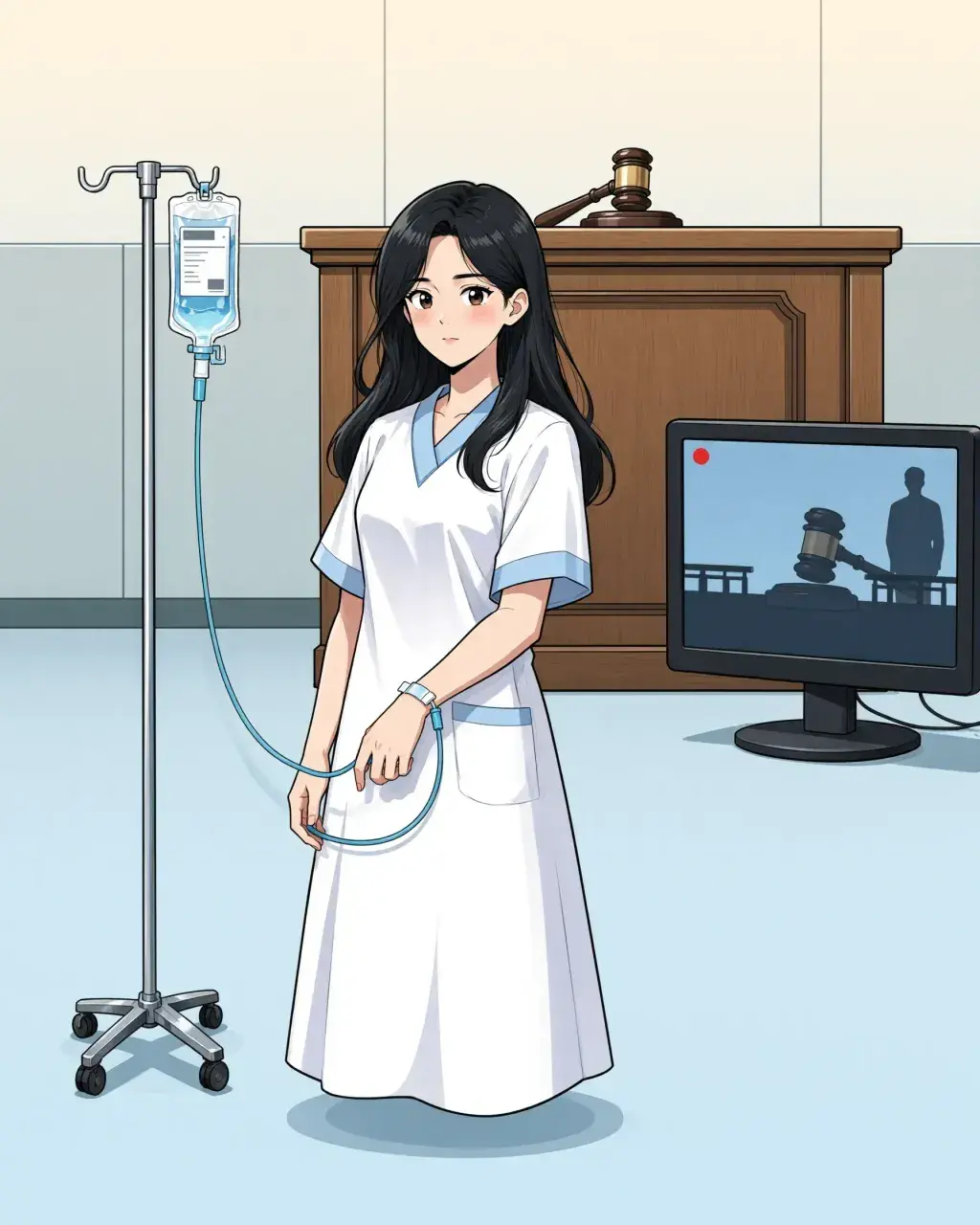
In “Family Force,” a visit to a hospital becomes a fight for survival. Three generations of one family gather in Seoul to see an ill relative, only to find themselves caught up in a multinational terrorist attack.
The family’s shared history sets them apart: the grandfather, father, and son are all former Marines. Their military background may help them face the crisis, but the film also places their family relationships at the center of the story.
The film brings together a high-stakes attack, a three-generation family, and the comic possibilities of relatives forced to act as a team.
Cha Seung-won and Ra Mi-ran play a married couple
Cha Seung-won plays Cheol-du, a former Marine master sergeant. A master sergeant is a senior noncommissioned military rank, held by an experienced service member who may lead and train others. Cheol-du’s guiding family motto is: “Once a Marine, always a Marine.”
Ra Mi-ran plays Ye-bun, Cheol-du’s wife and the emotional anchor of the family. In other words, she is the person who helps hold the family together when fear and pressure threaten to pull it apart.
The pair’s marriage gives the film a domestic center amid the action. Their everyday interactions and on-screen chemistry are positioned to bring humor and warmth to a story built around a sudden emergency.
A family with a shared military past
Cheol-du goes to the hospital because his father has been admitted. When the attack begins, he confronts the terrorists alongside Ye-bun and their son. The danger therefore reaches beyond one character: it puts the family’s different generations in the same crisis.
The story’s three-generation setup also creates room for contrasting reactions. A grandfather, father, and son may share a Marine background, but they belong to different ages and family roles—a combination that can shape both their disagreements and their cooperation.
Action and comedy meet in a hospital setting
Director Won Shin-yun is known for action films including “The Battle: Roar to Victory” and “The Suspect.” With “Family Force,” he is pairing that action experience with comedy rooted in family life.
An action comedy combines physical danger and suspense with humor. In this case, the contrast is built into the premise: the family must respond to a serious attack while also navigating the habits, tensions, and loyalties that come with living together.
Why the hospital matters
A hospital is normally a place associated with care, recovery, and concern for loved ones. Turning that familiar setting into the scene of an attack immediately links the danger to the family’s reason for being there: visiting an ill relative.
The location also brings family members together under pressure. Rather than facing a threat as strangers or colleagues, the characters must make decisions while trying to protect people they know and care about.
A familiar action theme with a family twist
The film draws on a recognizable action-story idea: people with specialized experience are forced to use it in an emergency. But its focus is not limited to the attack itself. The central characters are relatives whose shared past, disagreements, and personal bonds shape how they face the threat.
The Marine motto, “Once a Marine, always a Marine,” signals how strongly Cheol-du’s service continues to define him. It also gives the story a clear source of tension and humor: military discipline may be useful during a crisis, while family life rarely follows orders so neatly.
- The action: A terrorist attack unfolds at a large hospital in Seoul.
- The family: Three generations, from grandfather to father to son, share a former Marine background.
- The comedy: The characters’ family relationships add a lighter dimension to the danger.
- The emotional center: Cheol-du and Ye-bun’s marriage anchors the story.
Production and what to expect
Filming began in September. The premise brings together a large-scale emergency and an intimate family story, while the cast’s central pairing gives the film a relationship at its heart.
The blend of action and comedy will depend on how the film balances the attack’s serious stakes with humor drawn from the family’s interactions. Its three-generation structure also offers a way to explore how different family members respond when they must rely on one another.
“Family Force” is therefore framed as more than a story about former Marines confronting terrorists. It is also a story about a family trying to stay connected—and protect one another—when an ordinary visit becomes anything but ordinary.