1. A Human Story
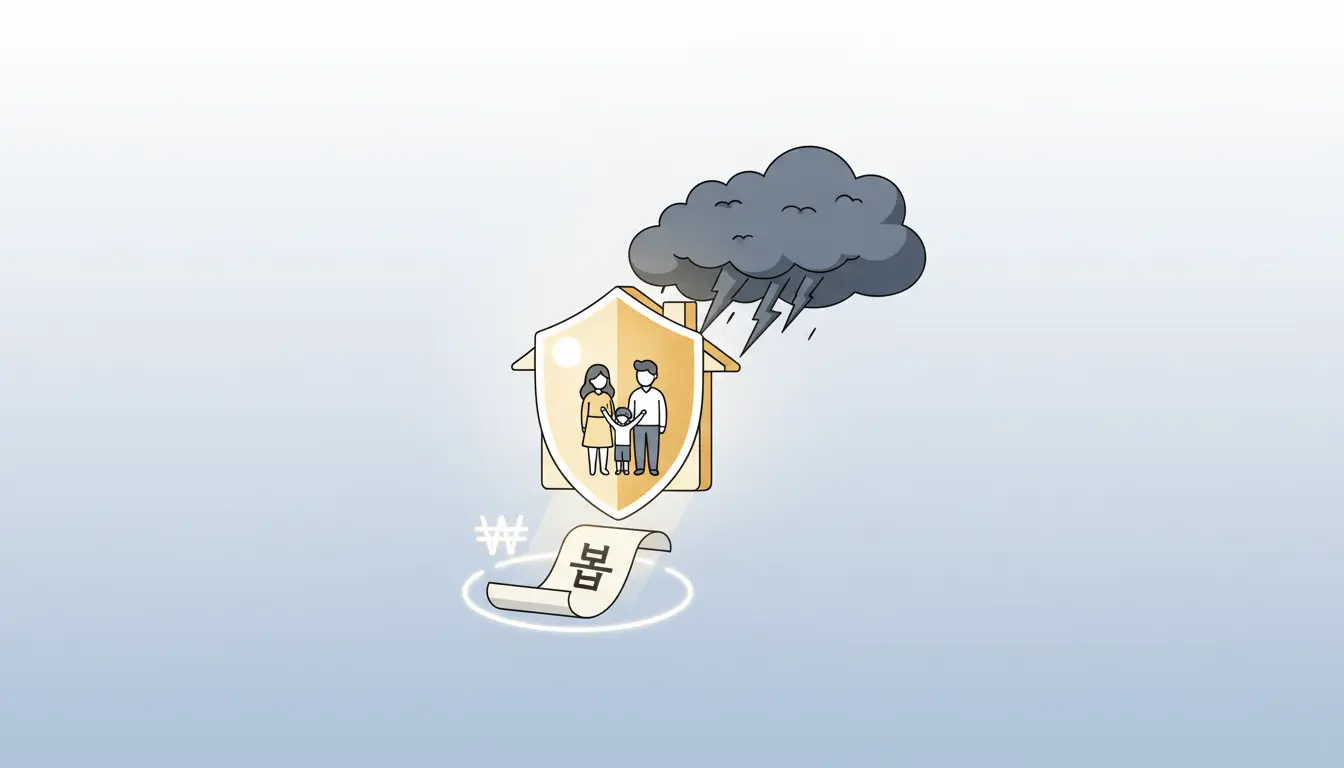
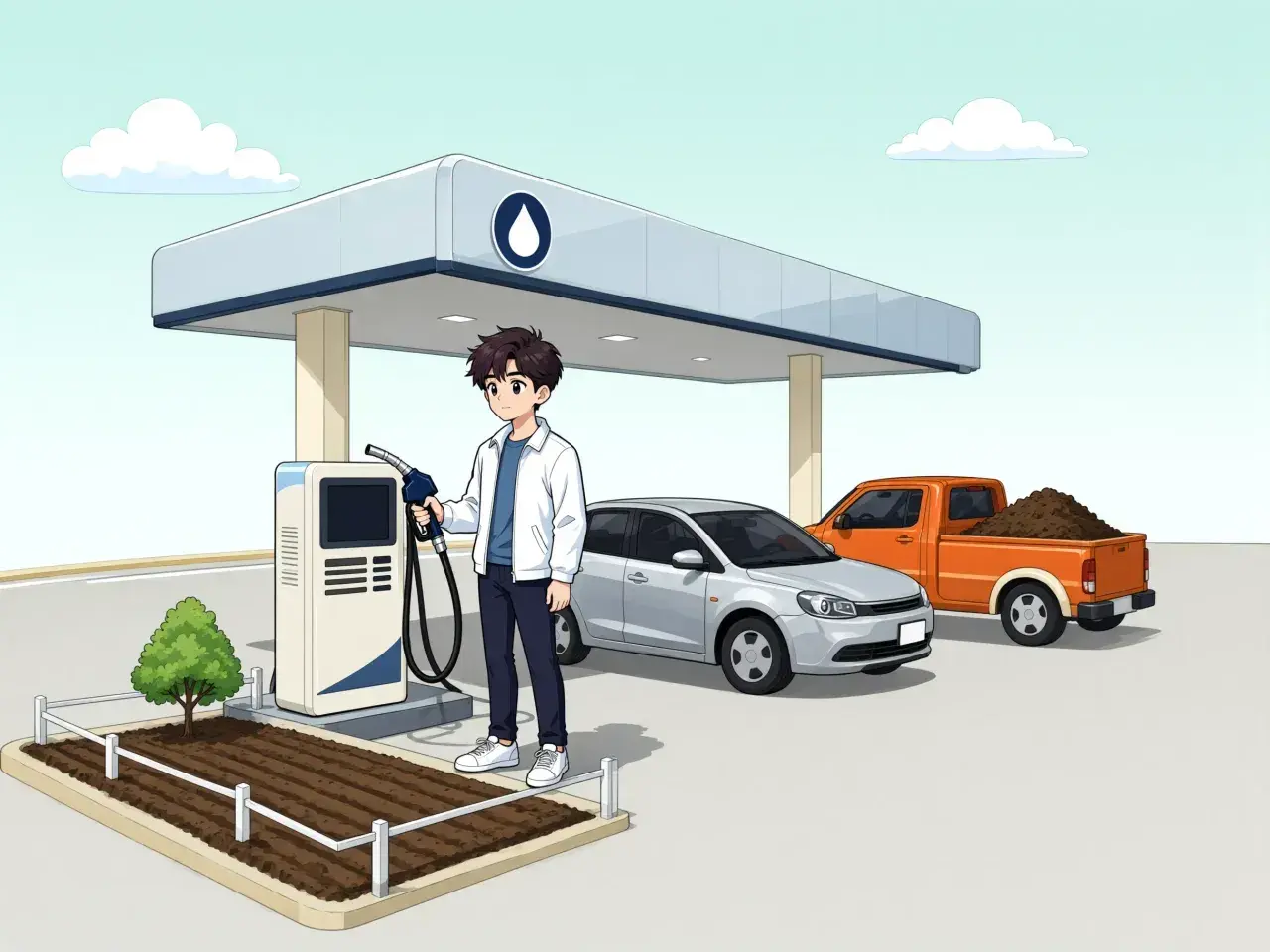
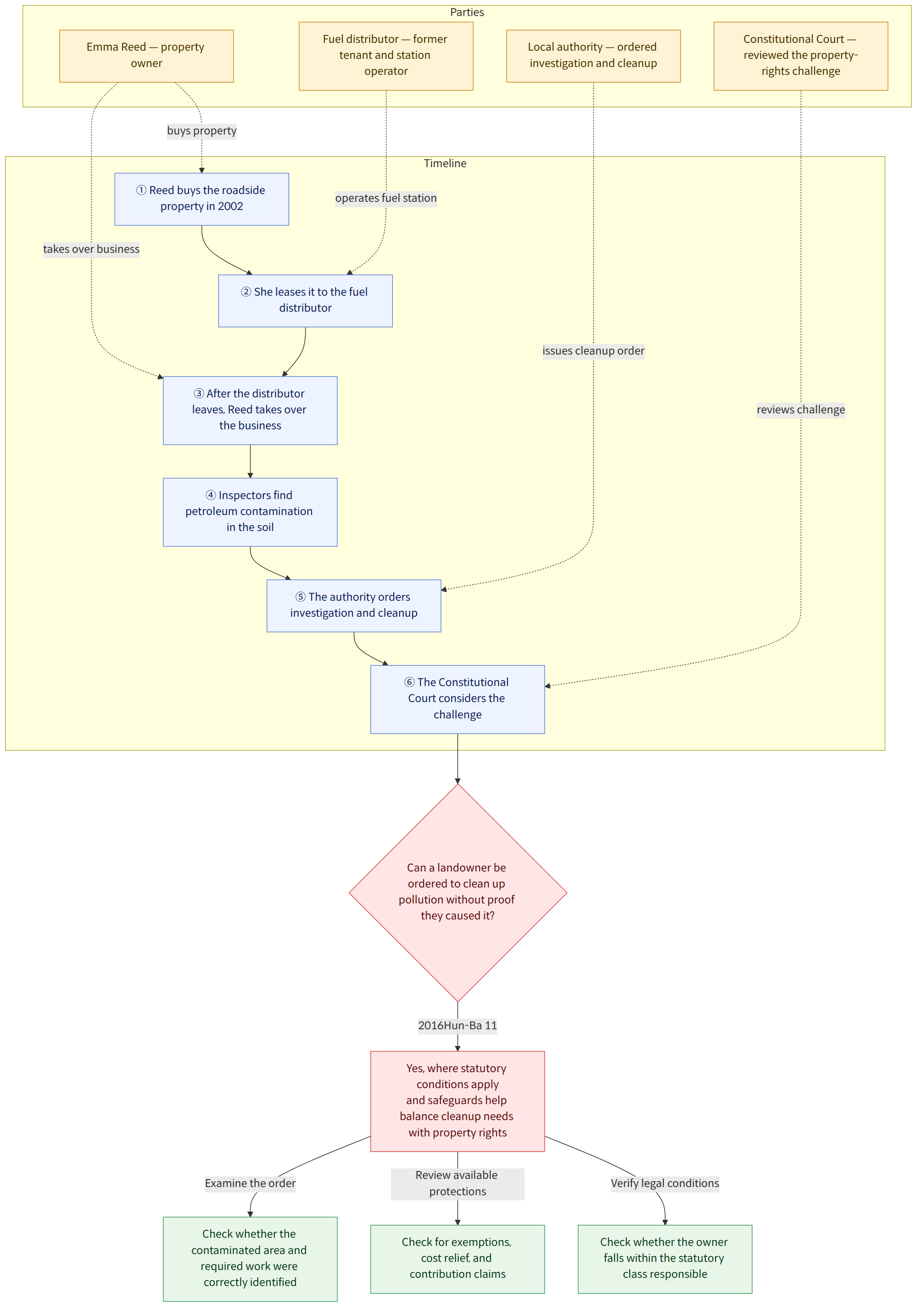
Emma Reed thought she had made a sensible investment. In 2002, she bought a small roadside property and leased it to a fuel distributor, which operated a gas station there for years. When the distributor left, Emma took over the business herself. She had not installed the original tanks, she insisted, and she had never knowingly allowed fuel to leak.
Then inspectors found petroleum contamination in the soil beneath the station. The local authority ordered Emma to investigate the affected land and carry out cleanup measures. The bill could threaten her savings and the business she had built. Emma’s first question was a natural one: If I did not cause the pollution, can the government still make me responsible?
2. The Legal Question
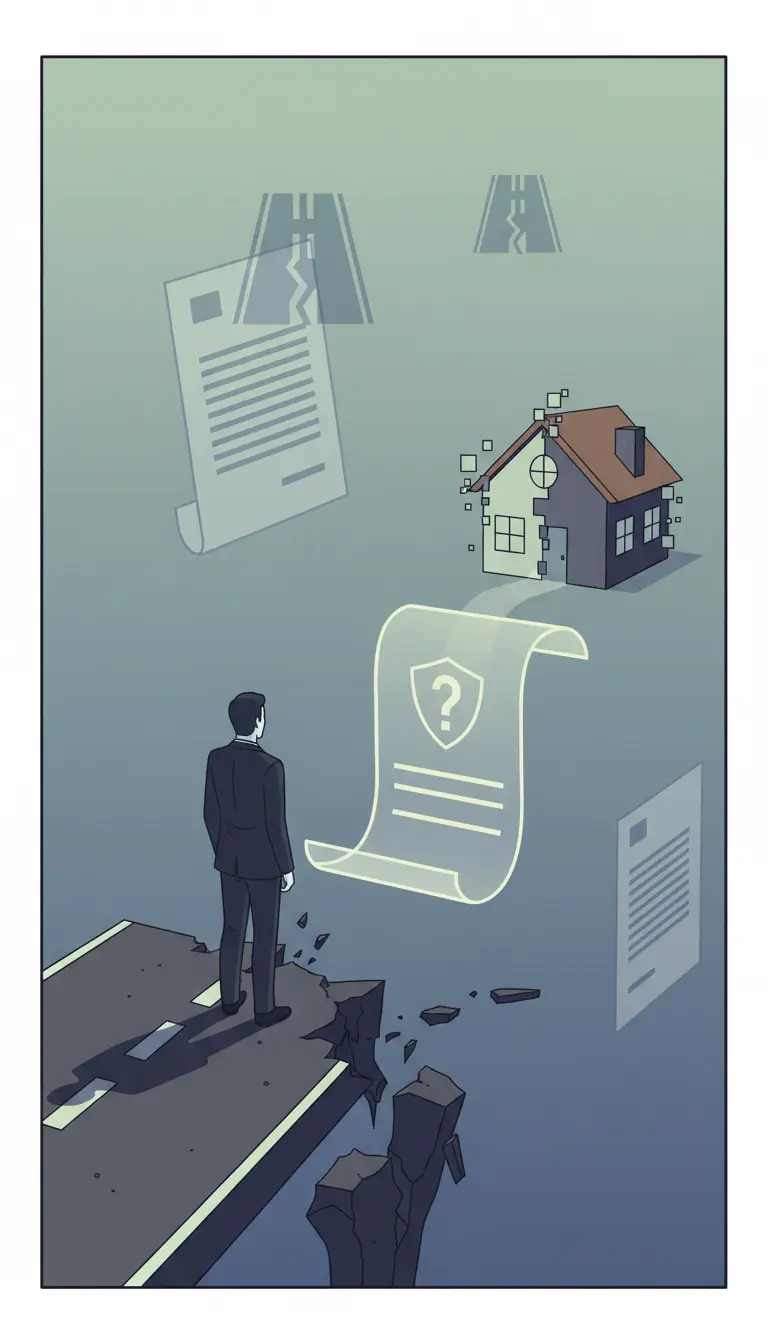
The central question is whether making a landowner investigate and clean contaminated soil—without requiring proof that the owner personally caused the pollution—unconstitutionally infringes the owner’s property rights.
3. What Korean Law Says
Korea’s Soil Environment Conservation Act is designed to identify those responsible for soil pollution and ensure that contaminated land is cleaned up. Under the statutory scheme considered by the Constitutional Court, responsibility may extend beyond the person who directly caused the pollution to include a landowner in specified circumstances. This is a form of public-law, no-fault responsibility: the government need not first prove that the owner was personally negligent or deliberately caused the contamination.
That does not mean every owner is automatically liable in every situation. The relevant statutory conditions and any available exemptions must be examined in the particular case. The Constitutional Court focused on landowners who had permitted land to be used by a person or business that caused pollution, including where that permission was given after the Act took effect on January 6, 1996.
The Constitutional Court’s core reasoning was that assigning cleanup responsibility to an owner who permitted a polluting use can help secure prompt and effective remediation. Such an owner may be closely connected to the condition of the land and may be in a practical and legal position to arrange cleanup.
The law also contains measures intended to limit the burden on owners. Depending on the applicable statutory provisions and facts, these may include:
- Exemptions from responsibility in circumstances recognized by law.
- Limits or adjustments to the owner’s financial burden, including possible public support for cleanup costs.
- A right to seek contribution or reimbursement from other responsible parties after the owner has paid more than the owner’s proper share.
The constitutional question is therefore not simply whether cleanup is expensive or whether the owner caused the pollution. It is whether the law’s allocation of responsibility, considered together with its safeguards, strikes a constitutionally acceptable balance between private property interests and the public need for clean soil.
4. How Korean Courts Approach This
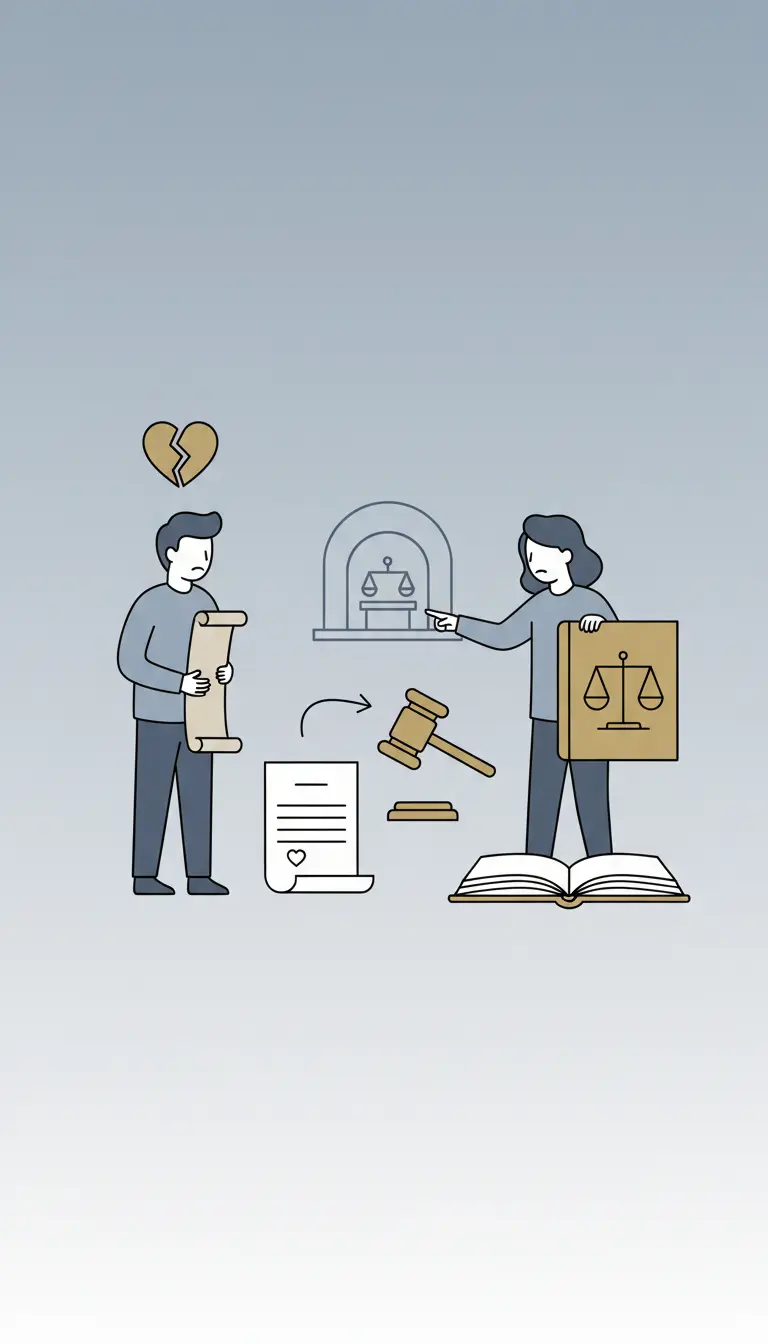
In its decision in 2016Hun-Ba 11, the Constitutional Court rejected the argument that the challenged provision violated property rights. It treated rapid, reliable cleanup as a significant public interest tied to public health and a safe living environment.
The Court also considered the position of an owner who had allowed land to be used for a polluting activity. In its view, permitting that use could connect the owner to the risk even if the owner did not personally release the contaminant. The owner is also often better placed than the public to arrange work on the land. At the same time, the Court noted the availability of exemptions, cost-relief measures, and claims against other responsible parties.
The Court’s approach was one of proportionality: the public benefit of timely soil cleanup could outweigh the owner’s financial burden where the law provides meaningful safeguards and the owner falls within the statutory class of responsible persons.
That constitutional ruling does not decide that every cleanup order is factually correct. It means that the legislature may impose this type of responsibility without violating the Constitution in the circumstances addressed by the Court. An owner can still dispute whether the statutory conditions apply, whether an exemption is available, or whether the authority has correctly identified the contaminated area and required work.
5. Applying the Law to Emma’s Case
Emma’s situation illustrates why “I did not cause the leak” may not, by itself, defeat a cleanup order.
- The land was contaminated. Inspectors found petroleum in the soil at the station, giving the authority a basis to require investigation and remediation, subject to the accuracy of its findings and the applicable procedures.
- Emma owned the property. The order was directed to her as the landowner, not necessarily on the theory that she personally caused the contamination. Korean law, as considered in the constitutional decision, allows responsibility to extend to certain owners.
- She permitted a polluting use after the relevant date. Emma bought the property and leased it to a fuel distributor in 2002—well after January 6, 1996. On the assumed facts, she allowed the land to be used for fuel operations, an activity connected with the kind of environmental risk at issue. That makes the Constitutional Court’s reasoning particularly relevant.
- The public purpose is substantial. Leaving contaminated soil untreated can threaten health and the surrounding environment. Requiring an owner who is connected to the land and able to arrange access for cleanup to act promptly advances that public purpose.
- The burden is not necessarily final or unlimited. Emma should check whether a statutory exemption or cost-relief measure applies. If the former distributor or another party bears responsibility, she may also have a basis to seek contribution or reimbursement. Those possibilities do not automatically suspend the order, but they may affect who ultimately bears the expense.
On these facts, Emma’s broad constitutional argument—that an owner can never be required to clean land unless personally at fault—is unlikely to succeed. The Constitutional Court has already upheld the relevant approach as compatible with property rights. Her stronger arguments would concern the application of the statute to her particular circumstances, the scope and cost of the required work, any exemption, and recovery from other responsible parties.
6. Conclusion: What Happened, and What Should You Do?
Emma’s constitutional challenge did not erase the cleanup obligation. Because she owned the contaminated property and had permitted fuel operations there after the statutory regime took effect, the authority could require her to investigate and remediate if the statutory conditions were met. The constitutional ruling did not establish that she personally caused the leak; it confirmed that, in appropriate circumstances, the law may place public-law cleanup responsibility on a landowner even without proof of personal fault.
Emma therefore began responding to the order while preserving her objections and pursuing the available protections. For readers in a similar position:
- Get the order and technical findings reviewed promptly. Confirm the boundaries of the affected land, the evidence of contamination, the required work, and the deadlines. Do not assume that disputing responsibility automatically pauses the order.
- Investigate exemptions and cost relief. Gather deeds, leases, operating records, inspection reports, and documents showing who used the land and when; ask a Korean environmental-law professional to assess the applicable statutory provisions.
- Preserve claims against other responsible parties. Keep cleanup invoices and all evidence of past ownership, operation, and pollution so you can evaluate a contribution or reimbursement claim after addressing the authority’s requirements.