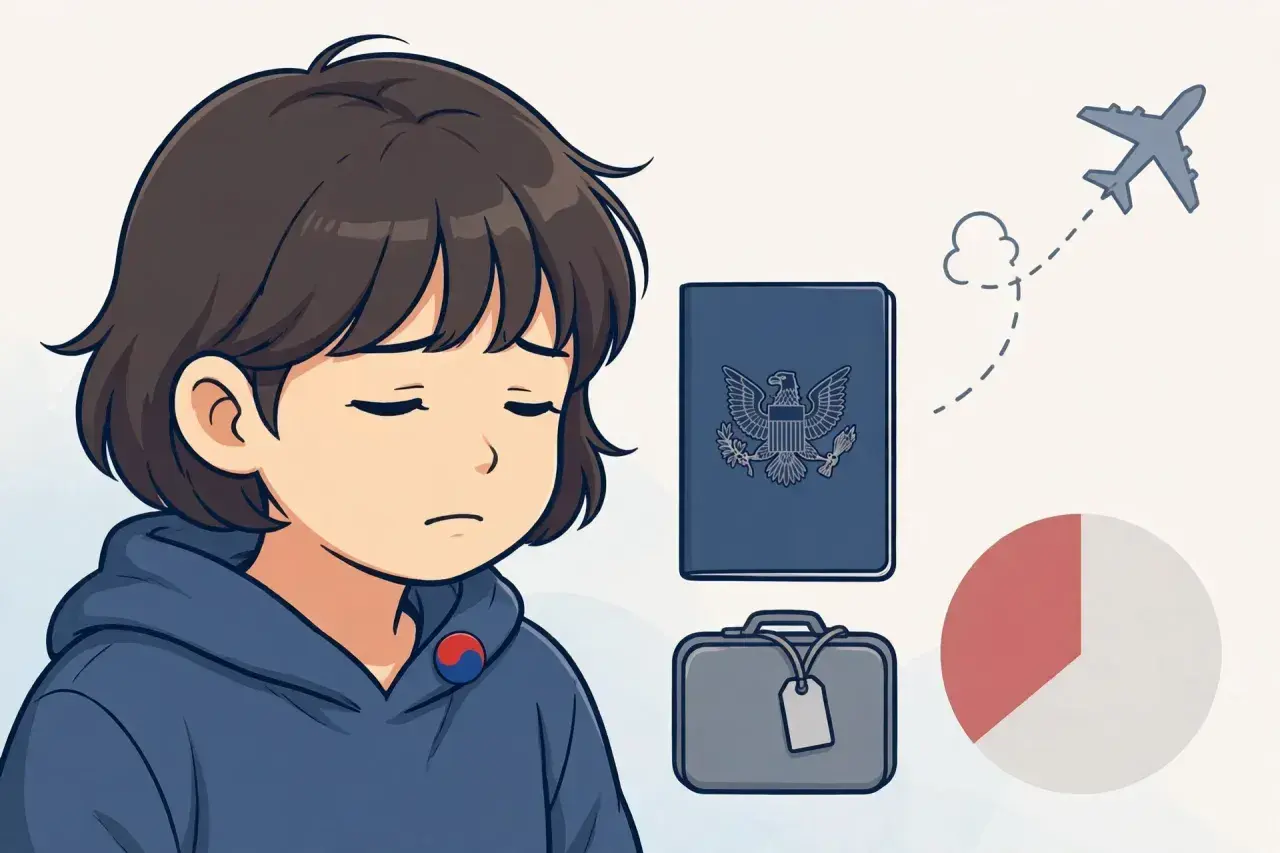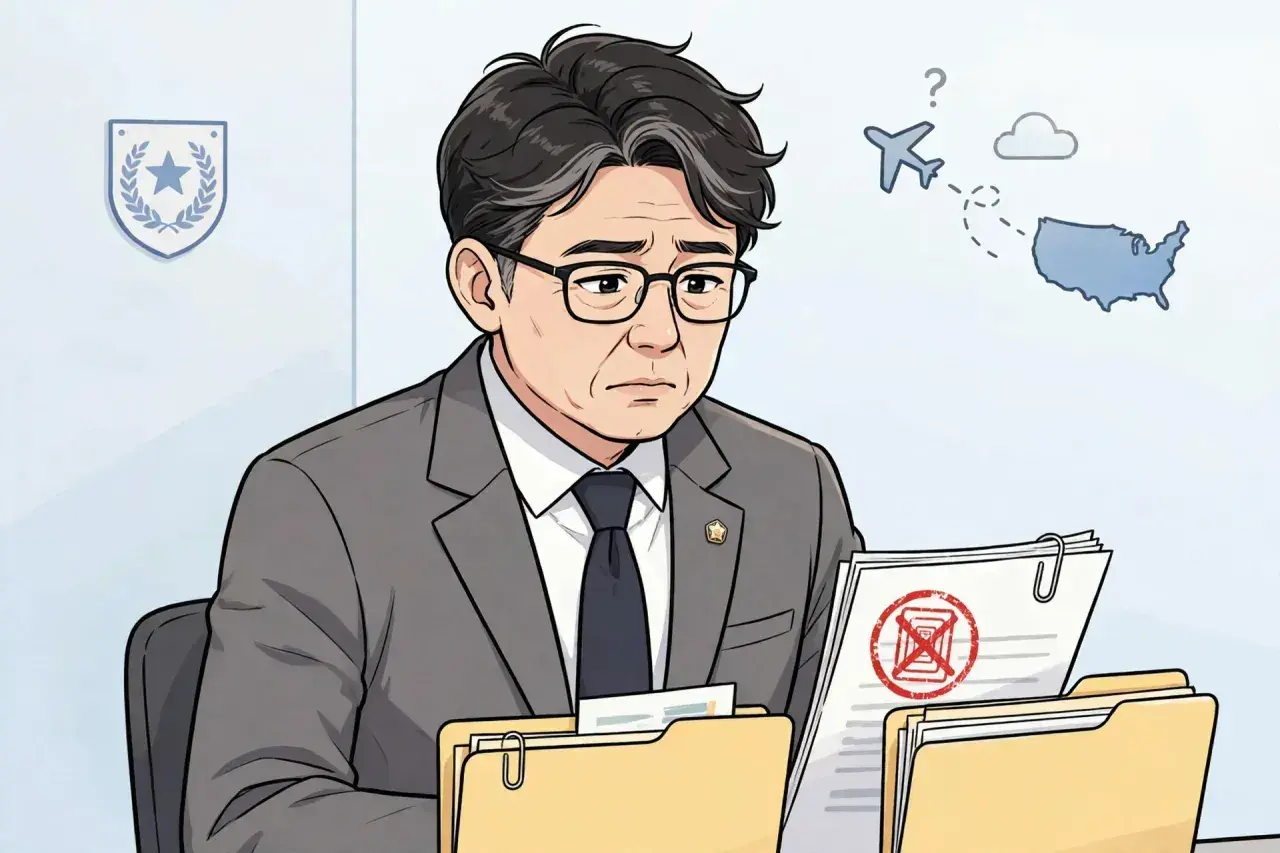
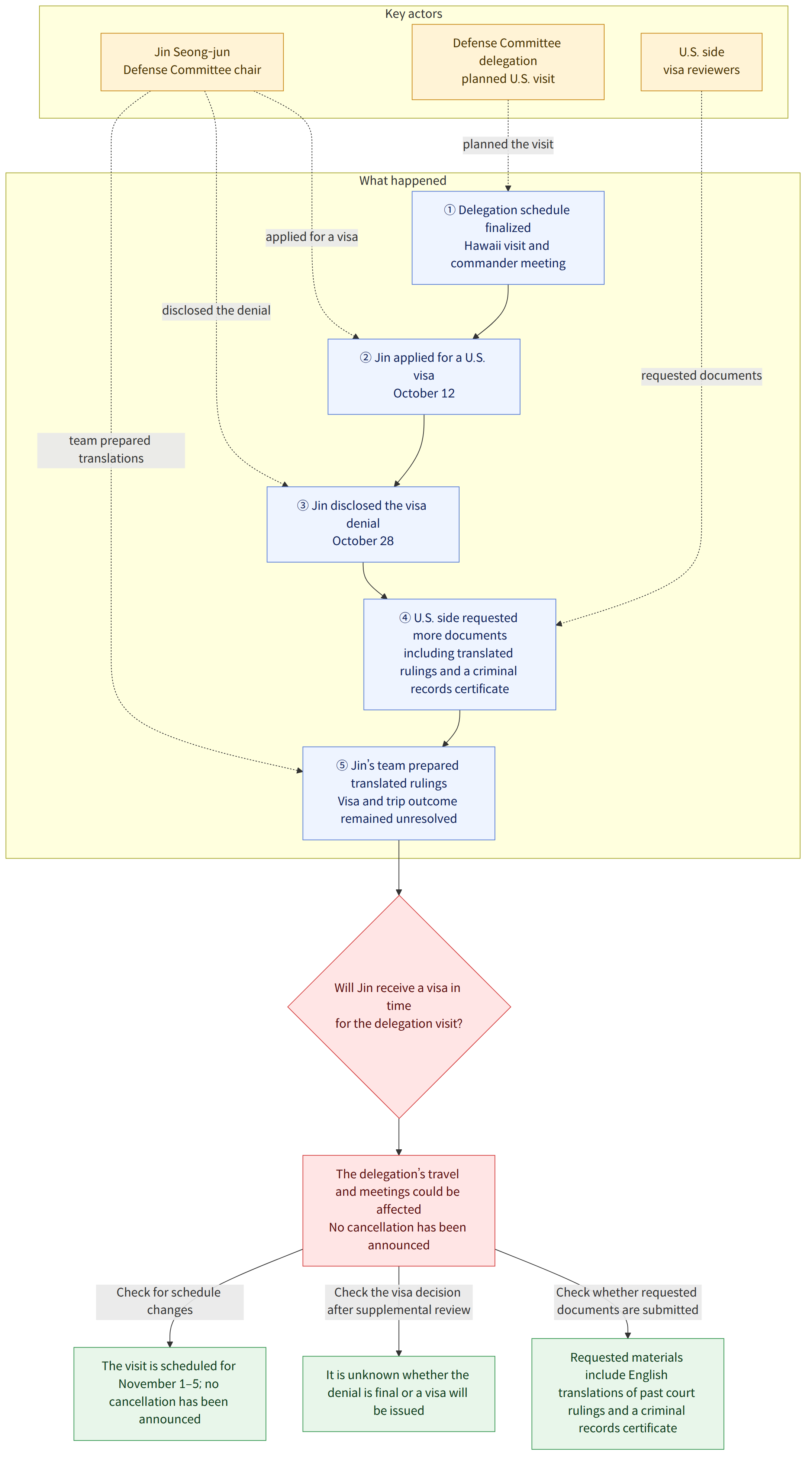
Jin Seong-jun of the Democratic Party of Korea (더불어민주당), chair of the National Assembly Defense Committee (국회 국방위원회), said on the 28th that the U.S. visa he applied for on October 12 had been denied. Representative Jin was scheduled to lead a Defense Committee delegation to Hawaii’s U.S. Pacific Command (미국 태평양사령부) from November 1 to 5, but whether he will receive a visa has become a factor in the trip. He posted on Facebook expressing strong regret over the visa denial and calling for the United States to take constructive action.
Background and context
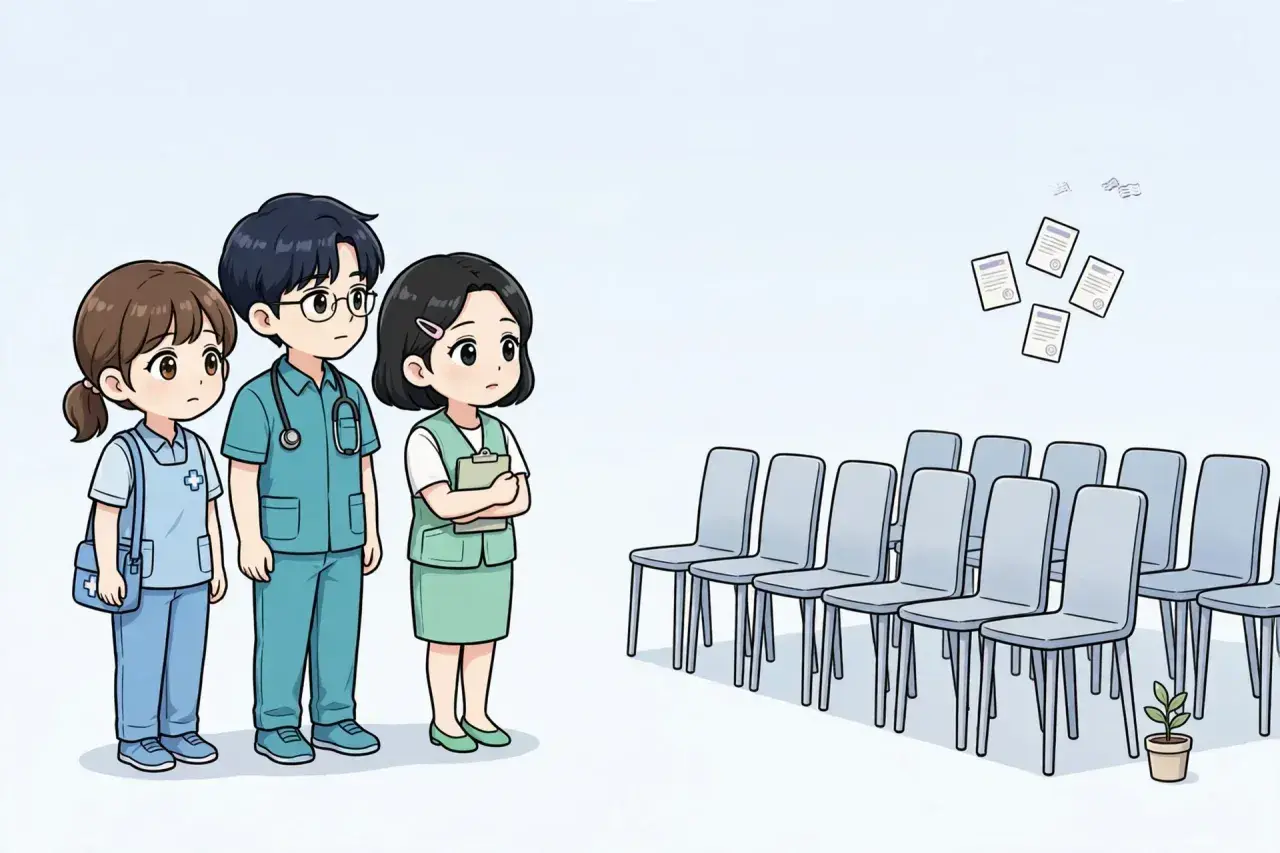
Representative Jin said the delegation’s schedule, including a meeting with U.S. Pacific Commander Samuel Paparo, had been finalized. The delegation included Democratic Party of Korea Representative Kim Byung-joo, People Power Party Representative Lim Jong-deuk, and Reform Party Representative Cheon Ha-ram. According to reports, Representatives Kim and Cheon already had U.S. visas, while Representative Lim was waiting for one to be issued.
The U.S. side is said to have asked Representative Jin’s team to submit English translations of rulings in past court cases, along with documents such as a criminal records certificate. His team is reportedly preparing to submit translated rulings. Reports have explained that when the United States requests additional documents, it sometimes temporarily denies a visa application, then reviews the supplemental materials and issues the visa. Therefore, the denial notice confirmed so far does not establish that the visa issue has been conclusively resolved, but neither can it be confirmed that a visa will be issued after supplemental materials are submitted.
In 1991, Representative Jin was sentenced to prison for violating the National Security Act (국가보안법), arson of a public-interest building, and violating the Act on Assembly and Demonstration (집회 및 시위에 관한 법률), among other offenses. He was pardoned and had his civil rights restored in a special pardon for Liberation Day in 1995. Regarding the ruling on the National Security Act violation, he has said the matter was recognized as part of the pro-democracy movement. According to reports, he also visited the U.S. Pacific Command in March 2014 as a member of the National Assembly Defense Committee. The fact that he previously visited but now faces a different visa review outcome is notable, but does not in itself explain the specific reasons for the current review.
What this news means
This matter is not limited to an individual visa application; it is tied to the official visit schedule of a National Assembly Defense Committee delegation. If the committee chair’s visa is not issued, or a decision is not made in time, the delegation’s travel plans and scheduled meetings could be affected. However, the other delegation members have different visa situations, and there has been no announcement that the visit itself has been canceled, so it should not be assumed that the trip is off.
Representative Jin has called for U.S. action, arguing that the visa denial undermines the standing of the National Assembly and mutual respect and trust between South Korea and the United States. While he has emphasized the diplomatic significance of the issue, the specific reasons for the visa review cannot be established from the publicly available evidence.
For example, if Representative Jin submits the translated rulings and the requested documents and receives a visa, the delegation’s visit could still proceed as planned. If a decision is delayed or the visa is not issued, the delegation may have to adjust its visit and meeting plans. These are possible scenarios; it has not been confirmed how the matter will be resolved.
Based on the information currently available, it is not possible to determine whether the visa denial means a permanent bar on entry or whether supplemental documents could change the outcome of the review. It is also important not to immediately interpret one lawmaker’s visa issue as evidence of a broader change in South Korea-U.S. relations. The way this matter is handled as an actual diplomatic issue can be assessed only after subsequent actions and any changes to the delegation’s schedule are confirmed.
What is confirmed and what remains unknown
Confirmed
- Representative Jin said the U.S. visa he applied for on October 12 was denied on the 28th.
- As chair of the Defense Committee, he was scheduled to lead a delegation to Hawaii’s U.S. Pacific Command from November 1 to 5.
- The U.S. side is said to have requested English translations of rulings in past court cases and a criminal records certificate, among other documents, and Representative Jin’s team is reportedly preparing to submit translated rulings.
- Representative Jin was sentenced to prison in 1991 and pardoned with his civil rights restored in 1995. He said the ruling on the National Security Act violation concerned a matter recognized as part of the pro-democracy movement.
Still unknown
- The specific reason the United States denied Representative Jin’s visa.
- Whether Representative Jin will receive a visa after submitting supplemental documents.
- Whether the National Assembly Defense Committee delegation’s U.S. visit and scheduled meetings will go ahead as planned.
What readers should check
- Follow-up reports should confirm whether Representative Jin’s team submitted the requested documents and whether the visa decision changed.
- Readers can check whether the delegation’s Hawaii visit and meeting with the U.S. Pacific commander remain on the schedule. Since the visa situations of the delegation members other than Representative Jin also differ, it is difficult to judge the entire schedule based on one person’s outcome.
- It is important to establish whether the U.S. side’s additional request is the final reason for denying the visa or a step in the process of reviewing supplemental documents. Current reports do not establish which of these applies.
References
- Other coverage consulted: koreatimes.co.kr
- Other coverage consulted: en.yna.co.kr